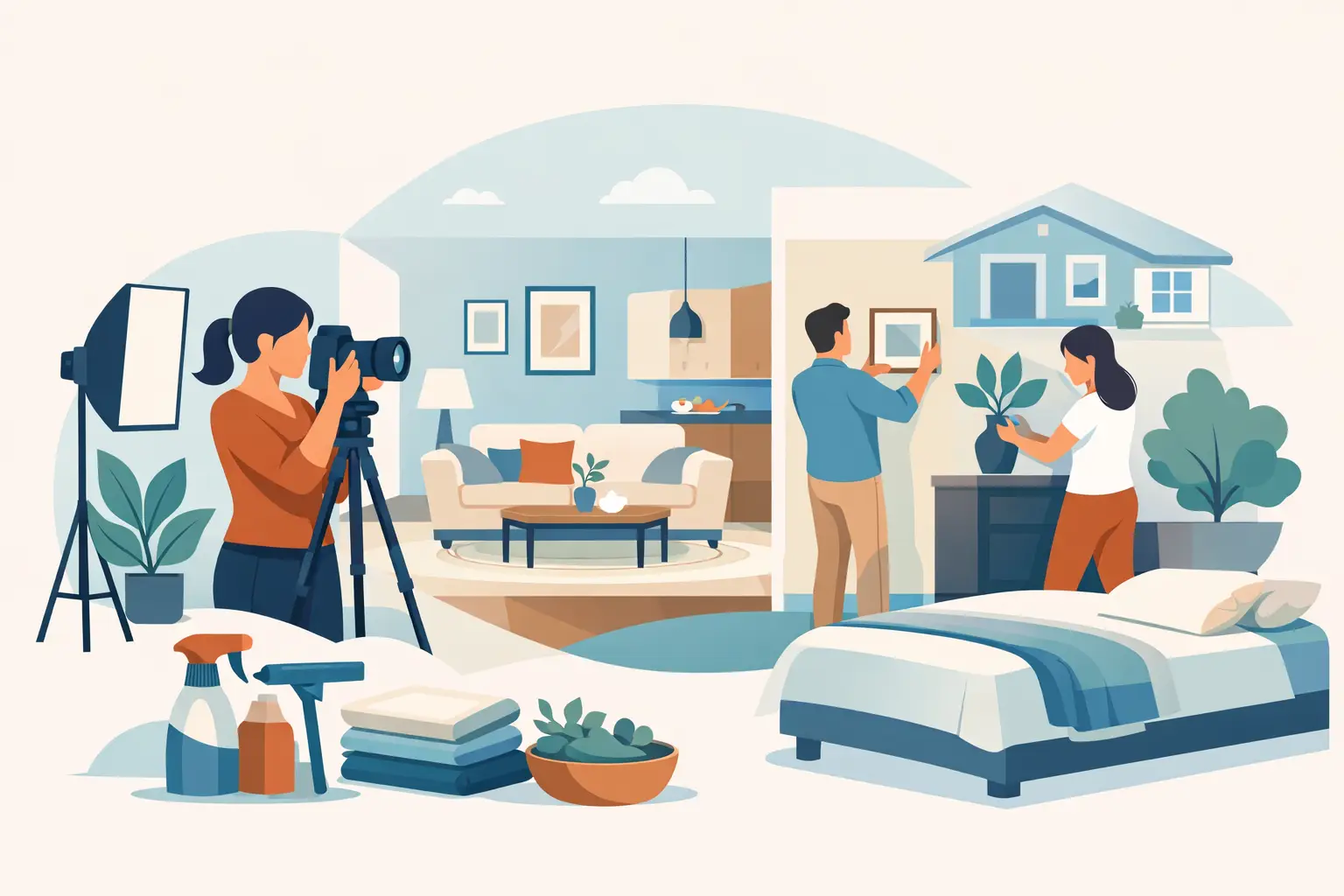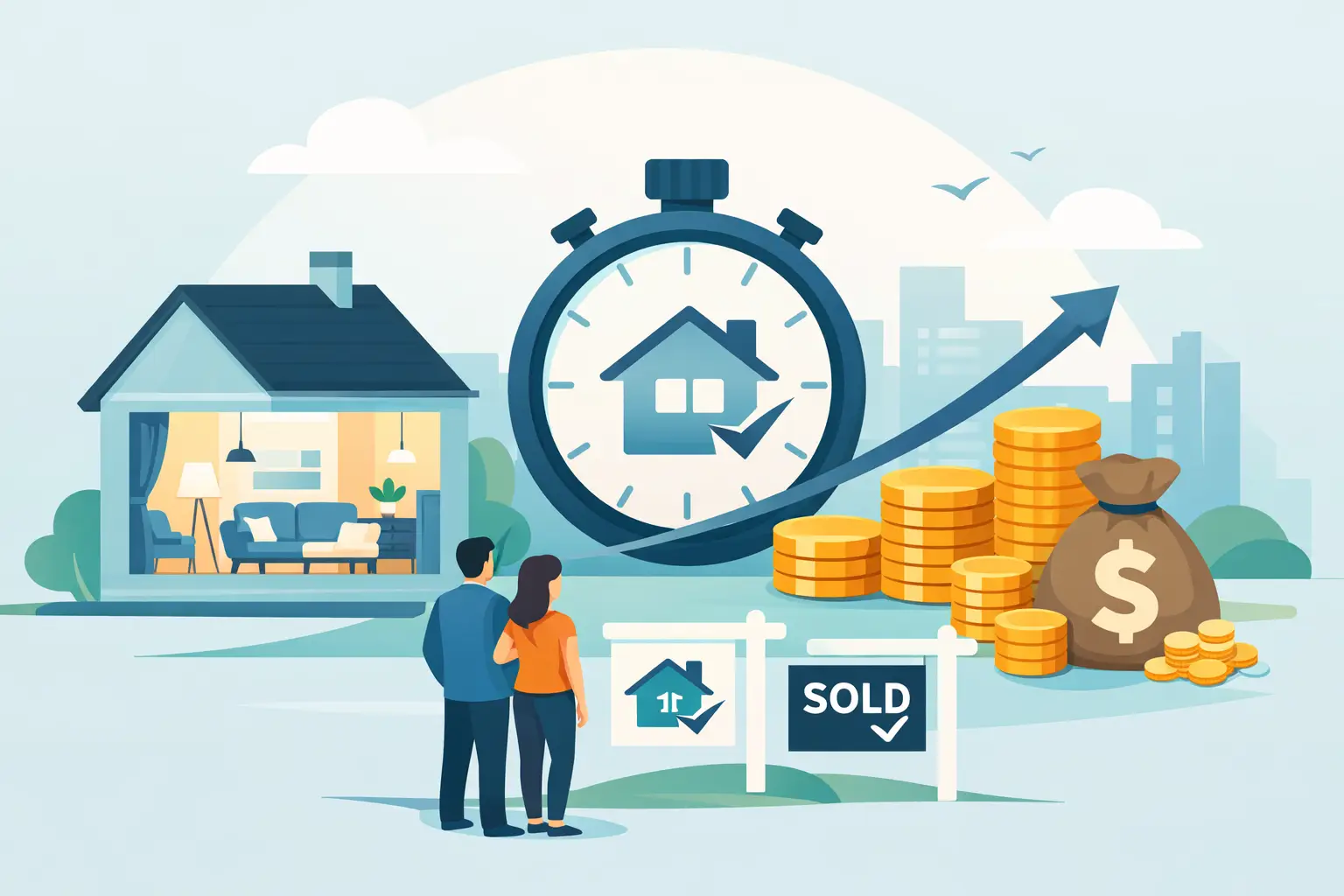
A buyer’s first impression is formed before they read the feature sheet, compare square footage, or ask about the roof. They are deciding whether a home feels like a place they want to claim. So, do staged homes sell faster and for more money? Often, yes – when staging is paired with accurate pricing, exceptional photography, and a marketing strategy built to create genuine demand.
Staging is not a magic switch that can overcome an inflated list price, a dated kitchen, or a poor location. But in Medina County and across Northeast Ohio, it can make the difference between a home that feels merely available and one that feels immediately desirable. That distinction matters when buyers are comparing multiple properties, often within hours of a listing going live.
Why staged homes can sell faster and for more money
Buyers do not purchase a collection of rooms. They purchase the life they can picture living there. A well-staged home makes that vision easier, whether it is a first home in Brunswick, a move-up property in Strongsville, or a distinguished estate in Medina.
Empty rooms can appear smaller than they are and leave buyers guessing about furniture placement. Overfurnished or highly personalized rooms create a different problem: buyers spend their attention filtering out what is already there. Strategic staging removes that friction. It establishes scale, purpose, flow, and an emotional tone that helps buyers connect with the property quickly.
That emotional connection has practical consequences. When a home photographs beautifully, earns more saved searches, and creates a strong reaction at showings, it has a better chance of attracting early interest. Multiple interested buyers can strengthen a seller’s negotiating position, not only on price but also on contingencies, closing timelines, and repair requests.
The premium is not automatic, and no responsible Realtor should promise a fixed percentage increase from staging alone. Results depend on the property, price range, competition, condition, and local buyer demand. Still, presentation can protect value by preventing a home from being perceived as less desirable than comparable listings.
Staging is really strategic positioning
The strongest staging does not make every home look the same. It makes the right features impossible to miss.
For a luxury property, that may mean emphasizing the visual line from a dramatic foyer to a custom staircase, giving a great room a refined sense of proportion, or styling an outdoor living area so buyers recognize it as an extension of the home. In a more modest property, the highest-impact work may be editing furniture, brightening a primary bedroom, defining a home office, and making a lower-level flex space feel useful rather than uncertain.
The goal is clarity. Buyers should understand how each important space works within a few moments of walking through the door. A dining room should not read as a storage area. A bedroom should not feel like a crowded catch-all. A finished basement should communicate possibility, whether that means a media room, fitness space, playroom, or guest retreat.
This is especially important online. Most buyers will meet the home through photos and video before they ever schedule a showing. If rooms look dark, cluttered, empty, or confusing on a screen, many buyers simply move on. Cinematic photography can elevate a well-prepared property, but it cannot create visual order where none exists.
What staging can and cannot fix
Staging is powerful because it controls perception, but it is not a substitute for preparation. If paint is worn, mechanical concerns are visible, landscaping is neglected, or a kitchen needs significant updating, buyers will still notice. In some cases, a seller’s money is better spent on repairs, paint, lighting, or professional cleaning before investing heavily in furnishings.
Think of staging as part of a larger pre-listing decision. The right question is not, “Should we stage everything?” It is, “What will make buyers value this home most confidently?”
A vacant home may benefit from full staging in its main living areas, primary suite, dining room, and key outdoor spaces. An occupied home may only need a consultation and selective edits. Removing excess furniture, neutralizing a bold room, storing personal collections, and updating bedding or accessories can produce a dramatic improvement without turning the home into a showroom.
There are also situations where staging should be restrained. A home with extraordinary architectural character should not be buried under trendy décor. A historic property should feel polished without losing its identity. A luxury residence should feel elevated and warm, not generic or overly styled. Good staging respects the home’s price point and story.
The local market changes the staging decision
Northeast Ohio is not one market. Buyer expectations can shift from neighborhood to neighborhood and from one price tier to another. A property competing with new construction in one area may need a more contemporary presentation. A well-established home in another community may win by showcasing space, craftsmanship, mature landscaping, and the lifestyle that comes with the location.
Seasonality matters too. During gray winter months, bright lighting, fresh textiles, and a welcoming entry can be particularly valuable. In spring and summer, curb appeal and outdoor spaces deserve more attention because buyers are actively imagining how they will use patios, pools, gardens, and porches. In fall, a home should feel warm and cared for without becoming crowded with seasonal décor.
The number of competing listings matters as well. When inventory is limited and demand is high, a clean, well-prepared home may be enough to stand apart. When buyers have choices, professional staging can become a sharper competitive advantage. The more options buyers see, the less forgiving they are of a property that feels unfinished, neglected, or hard to understand.
How presentation supports stronger offers
Price is only one part of an offer. Sellers want confidence that the buyer will perform, that inspection negotiations will stay reasonable, and that the transaction will reach the closing table on acceptable terms.
A compellingly presented home can improve that position because it creates momentum. Buyers who feel they may lose the property are more likely to make decisive offers and fewer casual, exploratory offers. That does not eliminate due diligence, nor should it. But it can reduce the leverage buyers gain when a listing has been sitting without activity.
This is why staging should work alongside pricing and marketing rather than operate as a standalone service. The Ashton Advantage℠ treats each listing as a distinct brand: prepared thoughtfully, photographed at a high level, marketed with intention, and positioned to reach qualified buyers. When those elements align, the home enters the market with a far stronger first impression than a listing built around basic snapshots and a generic description.
A practical way to decide whether to stage
Before listing, walk through the home as if you were seeing it for the first time. Notice the entry, the first room visible from the front door, the primary suite, the kitchen, and every room that might confuse a buyer. Ask whether each space looks spacious, purposeful, clean, and consistent with the home’s asking price.
Then compare the property honestly with its active competition. If nearby homes are professionally photographed, freshly prepared, and visually memorable, an unedited home is likely to feel like a compromise before buyers even visit. If your home has excellent bones but dated furnishings or an awkward layout, staging may deliver an outsized return by helping buyers see past those distractions.
A knowledgeable listing advisor can help prioritize the work. Sometimes the answer is full staging. Sometimes it is a focused plan involving paint, decluttering, furniture edits, professional cleaning, and a few targeted design choices. The best investment is the one that improves buyer perception without spending unnecessarily on changes that will not influence the sale.
Your home does not need to look lived in by someone else. It needs to make the next buyer feel that their life could begin there – confidently, beautifully, and without hesitation.