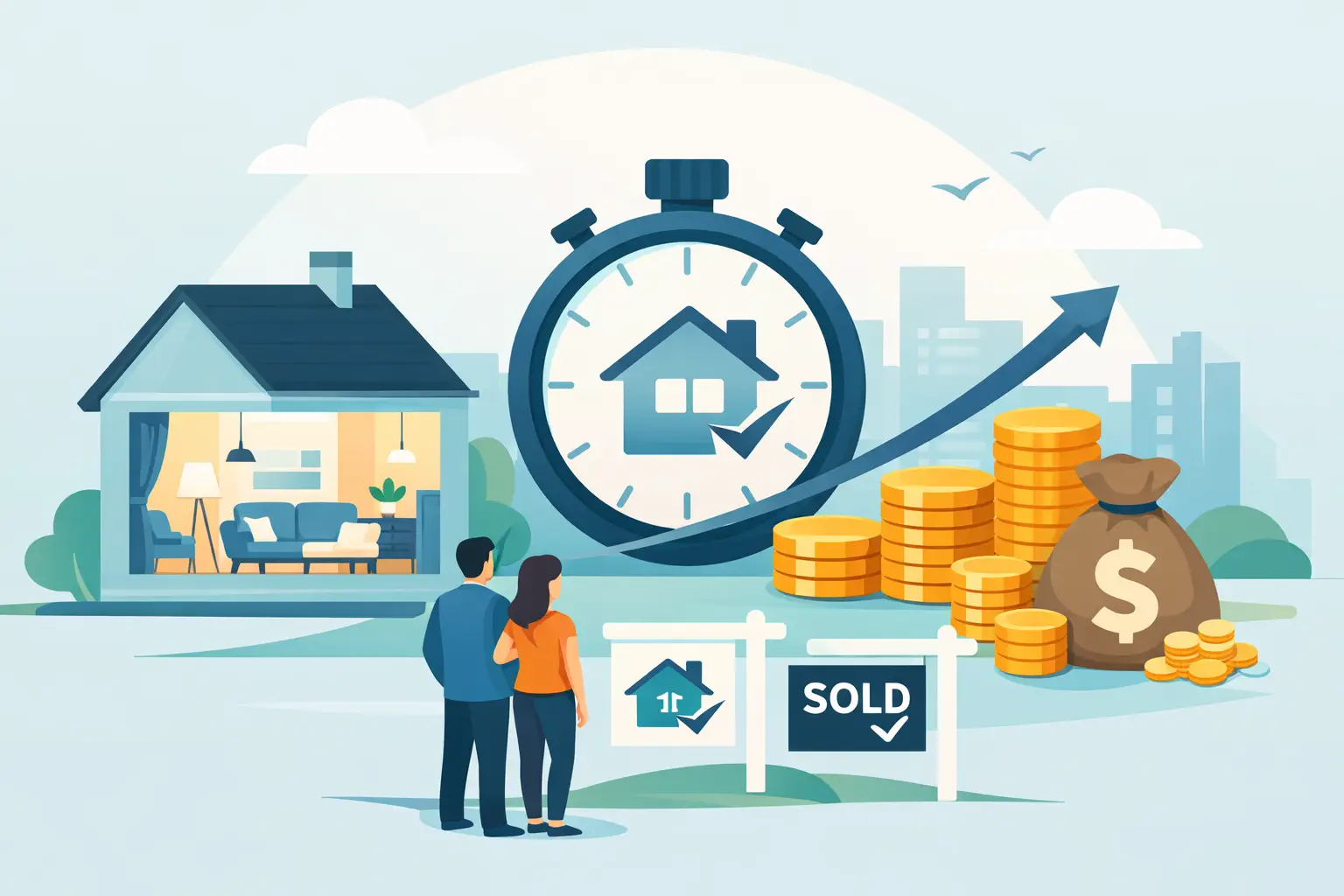
A move-up buyer finds the right Medina County home on Friday, only to realize their current home needs to sell before they can close. That is the moment when strategy matters most. Knowing how to buy a house with contingent sale terms can help you compete for the next home without exposing your finances, your equity, or your family’s timeline to unnecessary risk.
A sale contingency is not automatically a weak offer. In the right circumstances, it is a responsible way to coordinate two major transactions. The difference is preparation: how marketable your current home is, how clearly your financing is documented, and how confidently your agent presents the full picture to the seller.
What a contingent sale means for buyers
When you make an offer contingent on the sale of your current home, you are asking the seller to accept your offer with a condition: you must sell and usually close on your existing property before you are obligated to purchase theirs. If your home does not sell by an agreed-upon deadline, you may be able to withdraw from the purchase contract and recover your earnest money, depending on the exact terms negotiated.
This contingency protects you from owning two homes at once or having to fund a purchase without the proceeds from your sale. For many homeowners, particularly those using their current equity for a larger down payment, it is the financially sensible choice.
There are, however, different levels of certainty. An offer is far more attractive when your home is already listed, priced correctly, and under contract with a solid buyer than when it has not yet entered the market. Sellers look closely at that distinction because their decision affects their own moving plans, financing, and ability to pursue another property.
In Northeast Ohio, the strength of a contingent offer can vary block by block. A distinctive luxury property may have a different buyer pool and timeline than a well-priced family home in a highly active neighborhood. Local market fluency matters because the right approach depends on both homes, not just the one you hope to buy.
How to buy a house with contingent sale terms that compete
The goal is not to hide the contingency. It is to make it feel manageable, credible, and less disruptive for the seller. That work starts well before you tour homes.
Prepare your current home before making offers
The strongest contingent buyers have already done the work. They know their likely sale price, understand the condition issues that could delay a deal, and have a clear plan for launching their home to the market.
An agent should evaluate your property honestly, not simply offer an optimistic number designed to win your listing. Overpricing can make a contingency look speculative. If your purchase depends on selling for a price that the market is unlikely to support, sellers and their agents will see the risk immediately.
Presentation also matters. Professional photography, a deliberate pricing strategy, and polished marketing can help create early interest and reduce the time your home spends waiting for an offer. For exceptional homes, luxury-caliber positioning is especially valuable because buyers need to understand not only the property’s features, but why it deserves its place in the market.
Secure a fully reviewed preapproval
A basic prequalification is rarely enough when a seller is comparing offers. Ask your lender for a thorough preapproval that addresses your income, assets, credit, and the expected proceeds from your current home. Your lender should be able to explain whether you qualify while carrying both mortgage payments, even temporarily, and whether your loan requires your existing home to be sold before closing.
This is also the time to discuss your down payment. Some buyers need the equity from their current property. Others may be able to use savings, a bridge loan, or a home equity line of credit to buy first and sell afterward. Each option has trade-offs. Removing a sale contingency may make an offer more compelling, but it can also create carrying costs, interest expense, and pressure to sell your current home quickly.
A strong strategy is never about taking the most risk. It is about understanding precisely which risk you can afford.
Make the contingency specific and brief
Vague timelines create hesitation. A carefully written offer identifies what must happen, when it must happen, and what evidence will show the contingency has been satisfied.
If your home is already under contract, include relevant details that make the transaction easier to evaluate, such as the contract price, closing date, financing status, and inspection progress. If it is not under contract, your offer may need a short window to list and secure a buyer. The appropriate timeframe depends on the property, price point, and current competition.
Your agent may also negotiate a kick-out clause. This allows the seller to continue marketing the home and accept a backup offer. If another buyer appears, you may be given a set number of hours or days to remove your contingency or step aside. A kick-out clause can make a seller more willing to work with you, but only if you understand whether you truly have the ability to proceed without selling first.
Build an offer that gives the seller confidence
Price matters, but it is only one part of the decision. Sellers often choose the offer that appears most likely to close with the fewest surprises. Your agent should communicate the substance behind your offer, not just submit paperwork and wait.
A compelling contingent offer may include:
- A meaningful earnest money deposit that shows commitment.
- A lender letter confirming your financing has been carefully reviewed.
- A realistic, evidence-based plan for marketing and selling your current home.
- Reasonable inspection and appraisal terms that protect you without creating avoidable uncertainty.
- Flexible possession or closing timing when it helps the seller’s next move.
None of these terms should be used blindly. Waiving inspections or appraisal protections can introduce significant financial exposure, particularly in a competitive market. The better approach is to identify the terms that matter most to the seller and make thoughtful concessions where your position allows.
For example, a seller who needs extra time to move may value a flexible closing date more than a marginally higher purchase price. Another seller may be most concerned about whether your home will actually sell. In that case, having your property under contract before you offer may be more persuasive than adjusting smaller contract terms.
Consider selling first, then renting temporarily
For some buyers, the cleanest path is to sell their current home before purchasing the next one. This removes the sale contingency, clarifies your available equity, and gives you stronger negotiating power when the right property appears.
The trade-off is inconvenience. You may need temporary housing, storage, or two moves. For a family, that can feel like a significant disruption. Yet in a highly competitive segment, the certainty of being a non-contingent buyer can be worth it, especially when the next home is unusually rare or checks long-term lifestyle priorities.
This choice is particularly worth considering when your current home is likely to sell quickly, you have a flexible place to stay, or you are targeting an area where well-positioned homes receive multiple offers. It may be less appealing if your home is highly customized, has a narrower buyer pool, or you need the predictability of moving directly from one residence to the next.
Watch for the risks that can derail both transactions
A contingent purchase has two moving parts, which means communication needs to be exceptionally disciplined. Inspection findings on your current home, a low appraisal, buyer financing delays, or title issues can all affect your ability to close on the home you are buying.
Do not assume that an accepted offer on your current home means the risk has disappeared. Continue responding quickly to requests, meet every deadline, and avoid major financial changes while both transactions are underway. Opening new credit accounts, making large purchases, or changing employment can complicate mortgage approval at exactly the wrong time.
You should also have a realistic backup plan. If your buyer walks away, would you extend the purchase deadline, list more aggressively, seek alternative financing, or release the home you planned to buy? Knowing that answer in advance reduces emotional decision-making if the unexpected occurs.
The right guidance protects more than the deal
Buying and selling at the same time can feel like a balancing act, but it should not feel like guesswork. A skilled advisor coordinates pricing, marketing, lender communication, contract deadlines, and negotiation strategy so each decision supports the larger goal.
At Ashton Hixenbaugh Realtor®, that means treating your current home’s launch and your next-home offer as one connected strategy, with clear communication and an uncompromising commitment to protecting your interests. The right home is worth pursuing, but the right plan lets you pursue it with confidence rather than pressure.