A distinguished home can lose momentum before a buyer ever steps through the front door. In Medina County and across Northeast Ohio, buyers often make their first decision from a phone screen: Is this property worth a private showing, a weekend visit, or a serious offer? The best luxury listing features answer that question with clarity, emotion, and proof.
Luxury marketing is not simply a collection of attractive assets. It is a strategic presentation that gives an exceptional home its own identity, reaches the right audience, and supports a stronger negotiating position once interest builds. A larger budget alone does not produce that result. Every feature must reflect the property, the likely buyer, and the local market conditions.
Best Luxury Listing Features Start With Positioning
Before cameras arrive or a property website is built, the listing needs a clear market position. What makes the home hard to replace? It may be acreage in Granger Township, architectural craftsmanship in Medina, lake access in Lorain County, a refined renovation near Cleveland, or a setting that delivers privacy without sacrificing convenience.
That distinction should shape the entire campaign. A home with a chef’s kitchen and resort-style backyard may appeal to buyers who entertain. A historic estate may draw buyers who value provenance, detail, and preservation. A newer luxury home may win attention through efficiency, layout, smart-home features, and a turnkey lifestyle. When every marketing choice tries to appeal to everyone, the presentation becomes generic. When it speaks directly to the right buyer, it becomes memorable.
Pricing belongs in this conversation, too. Luxury homes are often more individual than entry-level properties, which means the nearest comparable sale is not always the whole story. Strategic pricing considers competition, buyer demand, condition, location, presentation, and the value of the home’s uncommon features. A premium presentation cannot compensate for a price that ignores the market, but it can help buyers understand why a well-positioned home deserves serious consideration.
Cinematic Photography That Shows Scale and Feeling
Professional photography is a baseline. Luxury-level photography is more intentional. It uses composition, lighting, editing, and timing to communicate the scale of a great room, the warmth of a library, the craftsmanship of millwork, and the connection between indoor and outdoor spaces.
The goal is not to make a home look artificially perfect. Overedited imagery can create disappointment at a showing, and that costs credibility. The best images are polished but truthful, with careful attention to window views, exterior lighting, seasonal landscaping, and the details buyers may otherwise miss.
For a substantial property, aerial photography can be equally valuable. It gives context that interior photos cannot: lot boundaries, wooded buffers, nearby amenities, water features, outbuildings, neighborhood setting, and access to major routes. It is especially useful when land, privacy, or a unique location contributes meaningfully to value.
Video That Creates an Emotional Reason to Visit
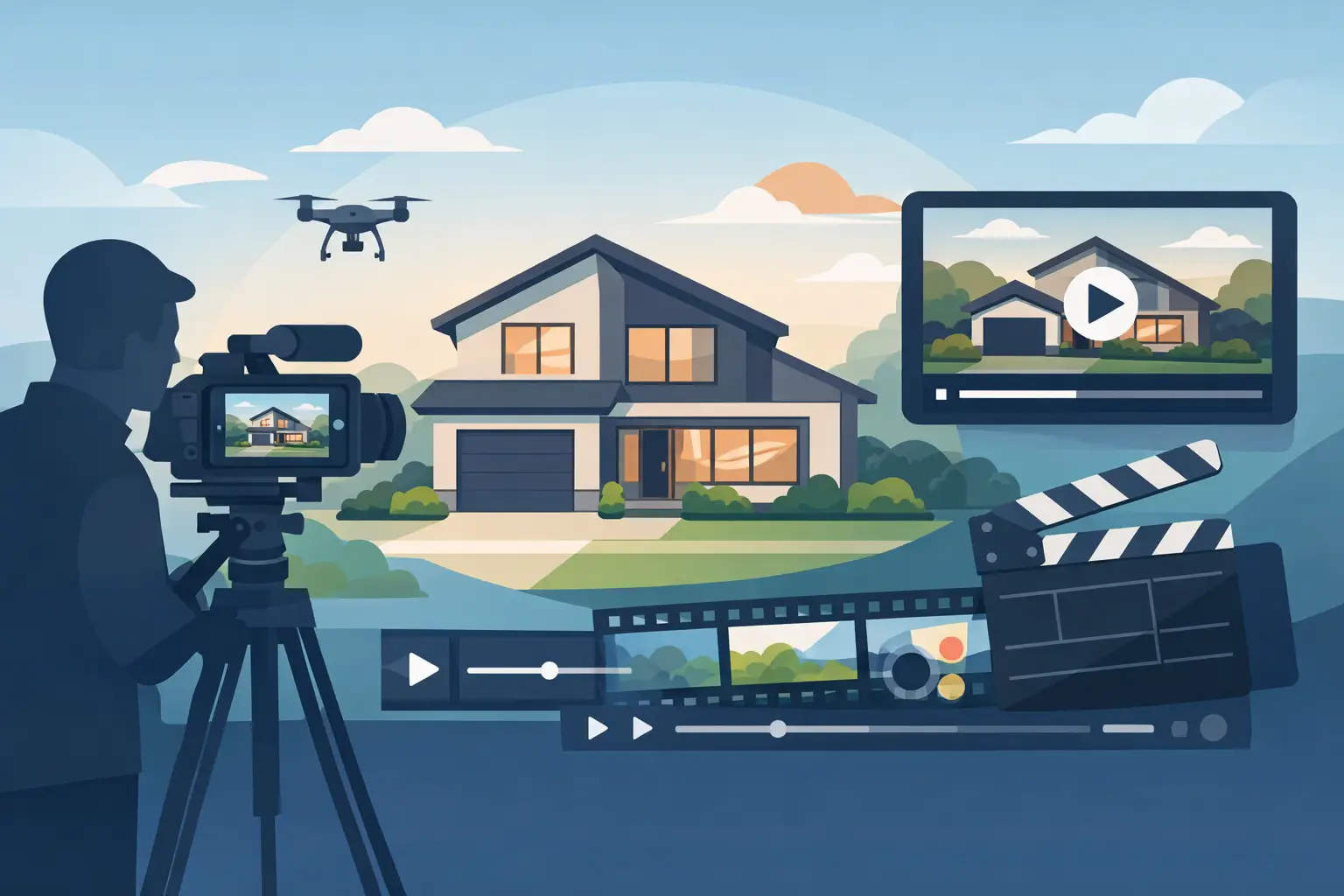
A cinematic property film gives buyers a sense of movement through the home. Done well, it is not a fast slideshow of rooms. It introduces the arrival, captures the natural flow of the floor plan, and highlights the moments that make life there feel distinct: morning light across a terrace, a fireplace gathering space, a finished lower level built for entertaining, or a quiet primary suite at the end of the day.
Video is also one of the strongest tools for reaching buyers outside the immediate area. Northeast Ohio attracts relocating professionals, returning residents, and buyers moving between counties. They may narrow their choices before they are available for an in-person visit. A thoughtful film lets them experience more than square footage.
Still, video must fit the property. A modestly priced home does not necessarily need a dramatic production, while a high-value estate with acreage, custom architecture, or significant amenities often benefits from it greatly. The right question is not whether a feature sounds impressive. It is whether it helps the likely buyer see the home’s value faster and more clearly.
A Custom Property Website Gives the Home Its Own Stage
Real estate portals are useful, but they place every home inside the same template and beside competing listings. A custom property website gives a distinguished listing room to tell its full story without distractions.
A strong site can bring together the photo gallery, film, floor plans, property specifications, feature highlights, neighborhood context, and showing information in one focused experience. It allows buyers to linger with the details instead of scanning a short description between dozens of other listings.
This feature matters because luxury purchases are rarely impulsive. Buyers often research a home more than once, share it with family or advisors, and return to specific details before scheduling a second showing or preparing an offer. A dedicated digital presence makes that research easier while reinforcing the level of care behind the listing.
Floor Plans and Property Details Build Confidence
Beautiful imagery earns attention. Useful information helps convert attention into action. Buyers want to understand how a home lives, not just how it photographs.
Detailed floor plans can reduce uncertainty about room relationships, bedroom placement, storage, lower-level layout, and outdoor access. For a multi-level home or a property with an in-law suite, home office, pool house, or detached structure, this can be particularly valuable. It helps a buyer picture daily routines before arriving.
A considered property feature sheet should go beyond the expected count of bedrooms and bathrooms. It may address major renovations, materials, systems, utility features, smart-home components, school and community context, and amenities that distinguish the property. Accuracy is nonnegotiable. Claims should be supportable, and important exclusions or limitations should be clear rather than buried.
Targeted Promotion Reaches More Than Casual Browsers
Exposure is not the same as strategy. A luxury listing needs broad visibility, but it also needs the right visibility. The most effective campaigns combine premium digital promotion, social media storytelling, agent-to-agent outreach, and direct communication with buyers or agents who may be a natural fit.
Social media should show more than the front elevation and a handful of rooms. Short-form video, behind-the-scenes preparation, architectural details, and lifestyle moments can create familiarity before a buyer formally engages. That familiarity matters when a property enters a competitive conversation.
The trade-off is that promotion must remain disciplined. Broad targeting can generate activity without producing qualified interest. A better approach identifies the buyer profile first, then selects the channels, creative assets, and message most likely to reach that audience. For an estate property, regional and relocation exposure may be essential. For a luxury home in an established Medina neighborhood, the emphasis may be local demand, lifestyle, and a highly refined launch.
Elevated Showings Turn Interest Into Conviction
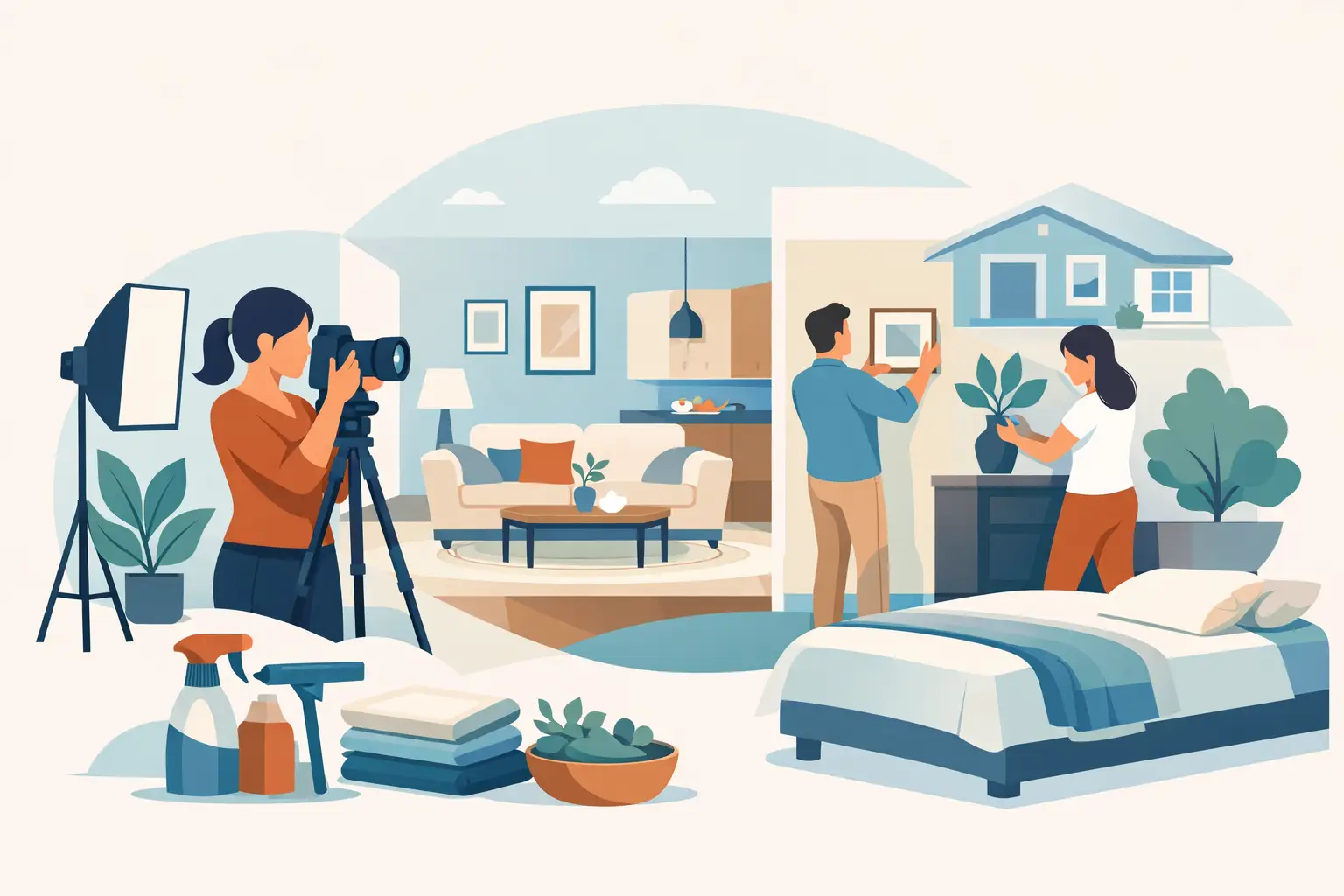
The showing experience is where marketing meets reality. A well-prepared home should feel calm, clean, and intentional, from the approach to the final room a buyer sees. Lighting, temperature, scent, music, staging, and timing all influence perception, though restraint is usually more effective than excess.
An elevated open house can also create a meaningful first impression when it is appropriate for the property. Rather than treating it as a casual drop-in event, it should present the home with the same level of preparation used in the launch campaign. Private showings remain essential for many high-end buyers, especially when discretion, scheduling, or security is a priority.
Feedback must be gathered and interpreted carefully. One buyer’s preference is not a market verdict, but repeated comments about layout, condition, pricing, or perceived value deserve attention. A strategic advisor separates noise from patterns and recommends adjustments only when the evidence supports them.
The Feature Buyers Cannot See: Strong Negotiation
The most valuable listing feature may not appear in a photo gallery at all. Marketing creates leverage by attracting attention and establishing value. Negotiation protects that leverage when offers arrive.
A strong offer is more than its price. Financing strength, contingencies, appraisal exposure, inspection terms, closing timeline, possession needs, and the buyer’s ability to perform can materially affect a seller’s outcome. The right response may be to negotiate harder, request better terms, invite competing interest, or recognize when a clean, credible offer is worth more than a slightly higher but uncertain one.
That is the purpose behind The Ashton Advantage℠: treating each property as a distinct brand while pairing premium presentation with strategic pricing, purposeful promotion, and firm advocacy. The objective is not attention for its own sake. It is buyer demand that gives a seller meaningful choices.
If you are preparing to sell an exceptional Northeast Ohio home, begin by identifying the story only your property can tell. The marketing features should then earn their place by making that story easier for the right buyer to see, believe, and act on.