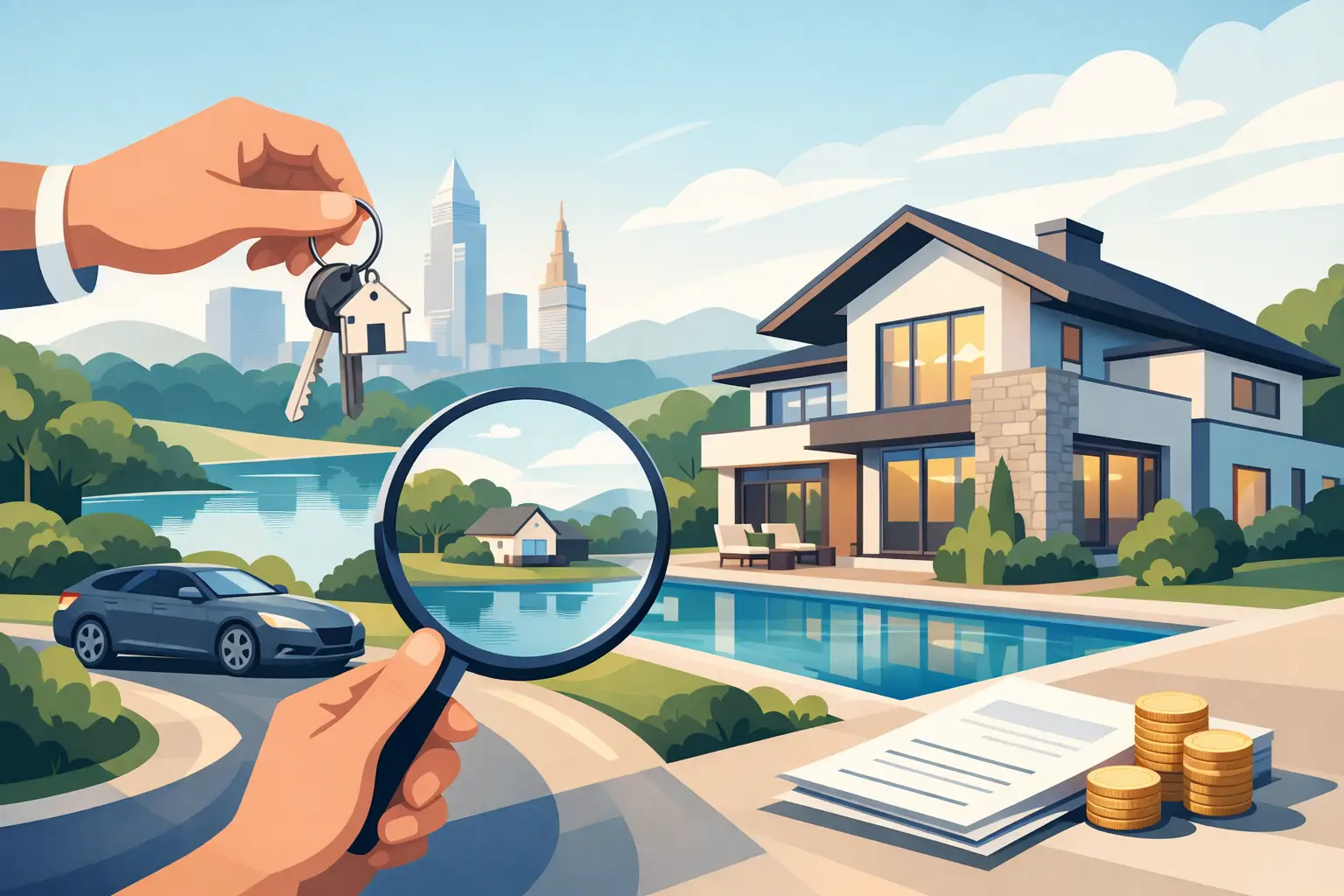
A gated drive, a restored historic facade, a chef’s kitchen, or five private acres can make a luxury home feel like an immediate yes. But buying a luxury home in Northeast Ohio is rarely decided by finishes alone. The right purchase balances the emotional pull of an exceptional property with a clear-eyed understanding of value, future resale, property condition, and the terms that will protect your position.
Luxury homes across Medina, Cuyahoga, Summit, and Lorain counties are not interchangeable. A newer estate in Hinckley, a lakefront residence near Avon Lake, a distinctive home in Hudson, and a character-rich property near Cleveland may command similar price points for very different reasons. That is why a successful purchase begins with strategy before the first offer is written.
Define What Luxury Means to Your Household
Luxury is personal. For one buyer, it means acreage, privacy, and a multi-car garage. For another, it means walkability, architectural significance, proximity to a preferred school district, or a low-maintenance lifestyle with refined amenities. The most expensive home is not automatically the best fit, and a beautiful home with the wrong daily rhythm can become an expensive compromise.
Start by separating your non-negotiables from your preferences. Consider how you will use the home on an ordinary Tuesday, not only when guests arrive. If you work from home, evaluate the office setup, internet availability, and separation from active family spaces. If you entertain, think beyond the kitchen and ask whether the home provides comfortable flow, parking, outdoor access, and practical service areas.
Location deserves the same level of attention as the property itself. In Northeast Ohio, two homes just a few miles apart can differ meaningfully in taxes, commute patterns, municipal services, school options, utility access, and resale audience. A strong advisor can help you compare those factors without treating one community as universally better than another. The right answer depends on your priorities and your intended ownership timeline.
Buying a Luxury Home in Northeast Ohio Starts With Value
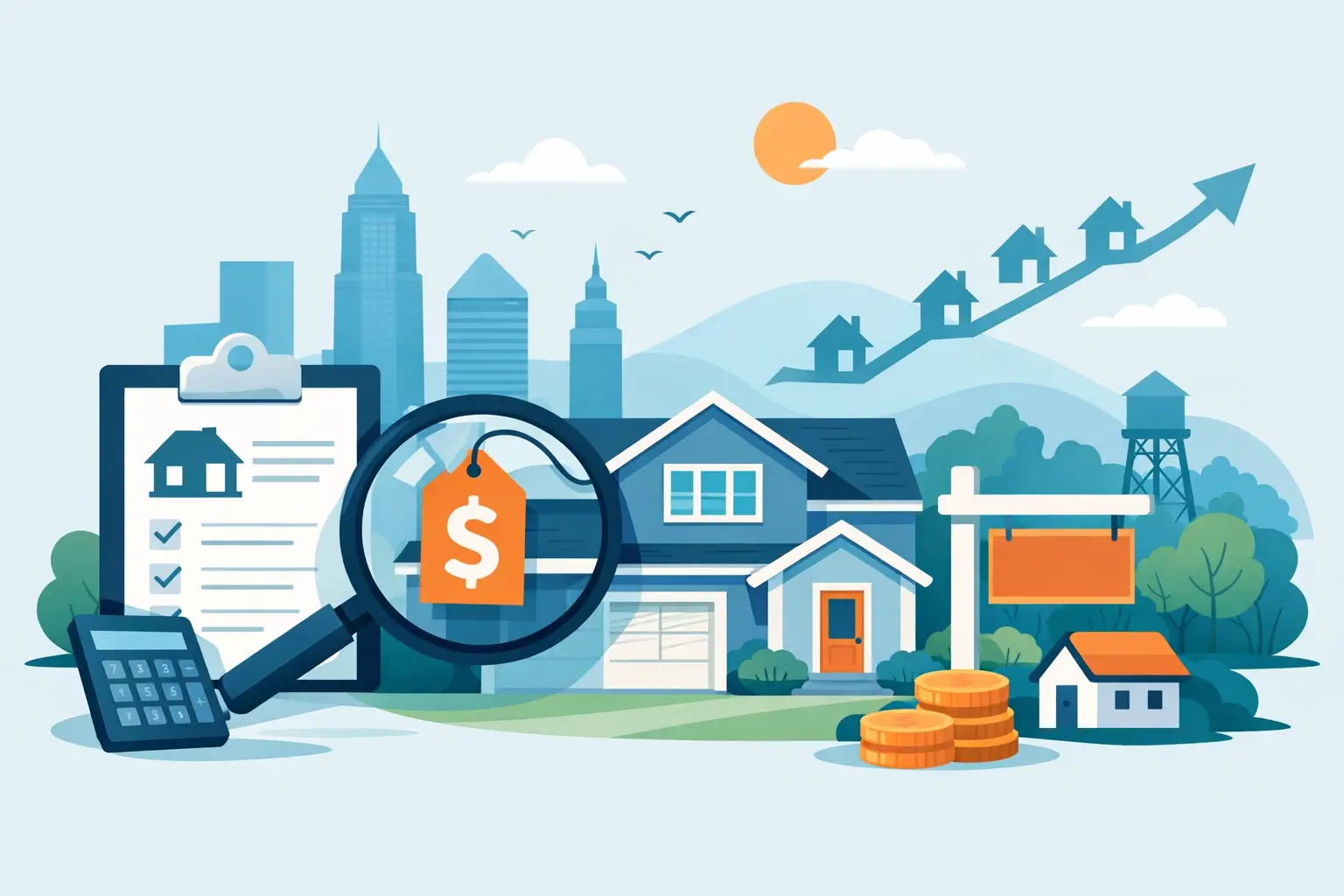
Luxury pricing is nuanced because truly comparable sales can be limited. A home with a custom pool, finished lower level, acreage, premium materials, and specialized amenities may have few direct matches nearby. Square footage matters, but it does not tell the full story. Architectural quality, lot position, condition, updates, privacy, and buyer demand all influence value.
A thoughtful market analysis looks beyond a simple price-per-square-foot calculation. It considers recent sales, current competition, withdrawn or expired listings, days on market, and the features buyers have demonstrated they will pay for. It also considers what may narrow the future buyer pool. A highly customized theater, extensive equestrian infrastructure, or unusual layout can be a major asset for the right buyer while requiring more patience at resale.
This is where discipline matters. A home can be worth pursuing aggressively if the data supports it and the property is difficult to replace. Conversely, an impressive asking price is not proof of market value. The goal is not to win a negotiation at any cost. It is to secure an exceptional home on terms that remain sensible after the excitement of the showing fades.
Look Past the Visible Upgrades
Luxury properties often present beautifully, and presentation can make it easy to overlook the systems behind the walls. Ask when the roof, HVAC equipment, windows, well components, septic system, generator, pool equipment, and major appliances were installed or last serviced. Renovations should be evaluated for quality, permits where applicable, and compatibility with the rest of the home.
Older distinguished homes require a different lens than newer construction. Original craftsmanship can be a defining advantage, but it may come with specialized maintenance needs. Newer homes may offer efficiency and modern layouts, yet they still require careful scrutiny of construction quality, drainage, grading, and the condition of high-ticket systems.
Build an Inspection Strategy That Fits the Property
A standard home inspection is an essential starting point, not always the complete answer. The larger and more complex the property, the more likely it is that specialized inspections will be appropriate. Your inspection plan should be shaped by the home itself, its age, its features, and its setting.
For example, a property with a private well and septic system may call for water quality testing and separate system evaluations. A home with extensive acreage may warrant attention to drainage, easements, boundaries, and the condition of outbuildings. Pools, hot tubs, docks, retaining walls, solar equipment, and backup generators all have their own maintenance and repair considerations.
The purpose of due diligence is not to search for perfection. Every property has maintenance needs, including homes that have been meticulously cared for. The question is whether you understand the condition, cost, and timing of those needs before your contingency period ends. A clear repair request or credit discussion should focus on material issues, safety concerns, and items that materially affect the home’s value or function.
Prepare Financing Before the Right Home Appears
At the luxury level, financial preparation changes the strength of your offer. A seller needs confidence that a buyer can perform, particularly when a home has attracted serious attention or requires an appraisal that may involve limited comparable sales. A conventional pre-approval is helpful, but a fully reviewed financial profile, proof of funds, and a lender experienced with higher-value transactions can create a much stronger position.
Cash can be compelling, but it is not the only path to a competitive offer. Financing can still work well when the terms are clean, documentation is ready, and the lender can communicate effectively. Buyers should also understand that appraisal outcomes may require context. An appraisal that comes in below contract price does not automatically end a transaction, but it does create a negotiation point that should be approached with data and calm judgment.
Beyond the purchase price, account for ownership costs realistically. Property taxes, insurance, landscaping, snow removal, utilities, pool care, security, and deferred maintenance can vary dramatically from one luxury property to another. A home that fits your acquisition budget should also fit the level of ongoing care you want to provide.
Write an Offer That Does More Than Raise the Price
The highest offer is not always the most attractive offer. Sellers evaluate certainty, timing, contingencies, occupancy needs, appraisal terms, and the overall professionalism of the buyer’s position. A well-structured offer shows that you respect the property and are prepared to move forward.
Sometimes the strongest strategy is a clean offer with an appropriate inspection period and flexible closing date. In another situation, a buyer may need to preserve specific contingencies because of a current home sale, financing structure, or legitimate due-diligence concern. There is no universal formula. Removing protections simply to appear competitive can create unnecessary risk, especially with a complex property.
The right approach is to identify which terms matter most to the seller and which protections matter most to you. This is where assertive negotiation and attentive communication work together. A buyer should feel represented, not rushed into terms that do not match the realities of the transaction.
Think About Resale Before You Need It
Even when you plan to stay for many years, resale deserves consideration. The features that support long-term appeal are often straightforward: a desirable location, thoughtful floor plan, well-maintained systems, quality construction, and amenities that feel useful rather than overly specific.
Resale does not mean buying a generic home. Distinctive properties can perform exceptionally well when their character is paired with broad functionality. The question is whether the home offers a compelling lifestyle to a meaningful pool of future buyers. A dramatic design choice may be worth embracing if it is central to what you love about the home, but it should be a deliberate choice rather than an overlooked trade-off.
A high-touch advisor brings value by helping buyers see both the experience of living in the property and the business case behind it. Ashton Hixenbaugh Realtor® approaches that balance with local market fluency, careful preparation, and an uncompromising commitment to protecting the client’s interests.
The best luxury purchase is not simply the home that photographs beautifully or creates the most competitive moment. It is the property that fits your life, holds up under inspection, makes sense at the negotiated price, and gives you confidence each time you turn into the driveway.