A home with a private lake view, a restored century-home façade, a dramatic great room, or acreage in Medina County should not be marketed like a standard property. Knowing how to market unique homes means translating the qualities that make a home special into a clear reason for the right buyer to act. The goal is not simply more clicks. It is stronger buyer conviction, better showing traffic, and a negotiating position that protects the seller’s outcome.
Unique properties can command attention, but they also require more discipline. A distinctive floor plan, custom materials, an equestrian setup, historic character, or a highly specific location may narrow the immediate buyer pool. That is not a weakness when the marketing is built with intention. It simply means the strategy must reach the buyers who will recognize the value.
Start With the Story, Not the Square Footage
Every exceptional home has facts: bedroom count, acreage, updates, tax information, and square footage. Those details matter, but they rarely create an emotional connection on their own. Buyers remember how a property made them feel and whether they can picture their next chapter there.
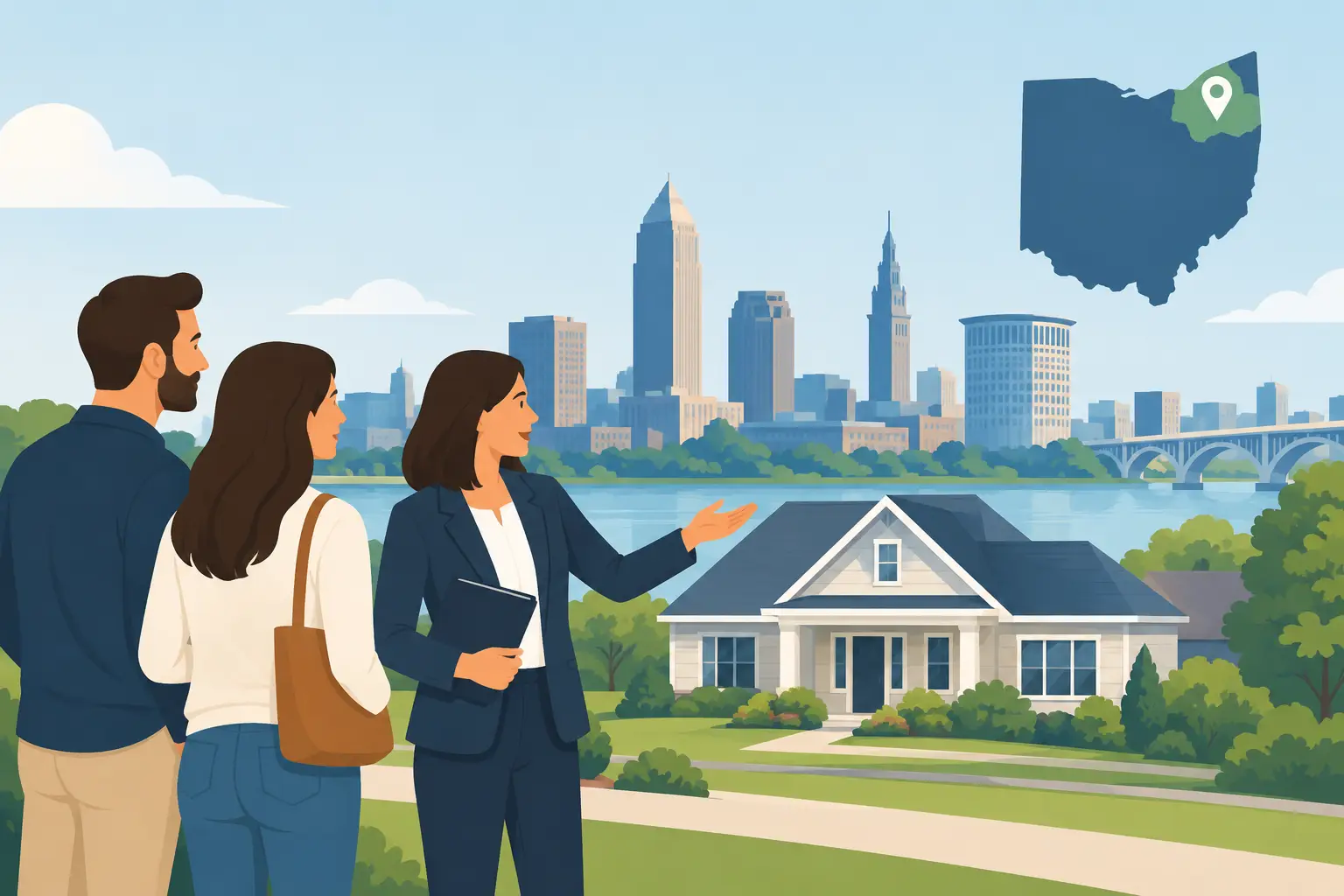
The first step is identifying the property’s central story. A refined estate in Hinckley may be about privacy, entertaining, and access to the Cleveland area. A historic home near Medina Square may be about craftsmanship, walkability, and character that cannot be replicated in new construction. A modern home in a wooded setting may be about light, architecture, and the retreat-like experience of daily life.
That story should be grounded in truth, not decorative language. Calling every home “one of a kind” weakens the phrase. Instead, identify the details that substantiate it: the hand-finished millwork, the restored original floors, the four-car garage with heated workspace, the guest suite, the panoramic view, or the outdoor living area designed for entertaining. Specificity creates credibility.
Price the Distinction With Market Discipline
One of the most consequential decisions in marketing a unique home is pricing. Sellers often assume rarity automatically supports a premium. Sometimes it does. But a feature only adds value when a qualified buyer sees it as valuable, and the local market supports that conclusion.
A thoughtful pricing strategy considers the home’s closest comparable sales, then studies where the home differs. In Northeast Ohio, location, condition, lot utility, school district, architectural appeal, and renovation quality can materially affect buyer demand. A comparable sale is a starting point, not a substitute for judgment.
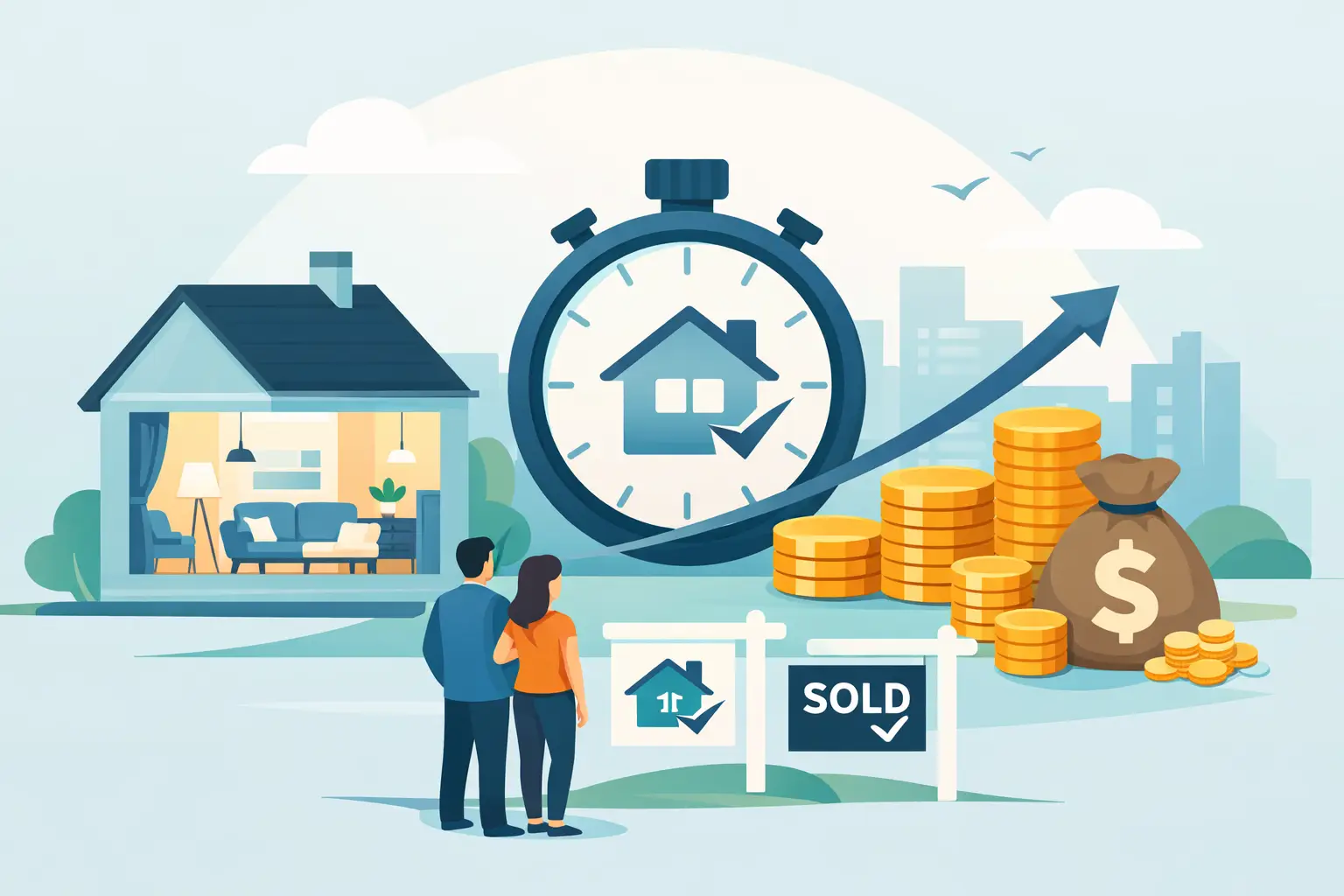
The trade-off is clear. Pricing too conservatively can leave value on the table. Pricing too aggressively can cause a distinctive home to sit long enough for buyers to question it, even when nothing is wrong with the property. A well-positioned price creates urgency while giving buyers room to see the home’s advantages.
For highly customized homes, it can also help to distinguish between improvements that broaden appeal and improvements that serve a particular lifestyle. A beautifully renovated kitchen may resonate with nearly every buyer. A specialty recording studio or highly personalized color palette may be meaningful to a narrower audience. Both can be marketed well, but they should not be valued in the same way.
How to Market Unique Homes Through Visual Presentation
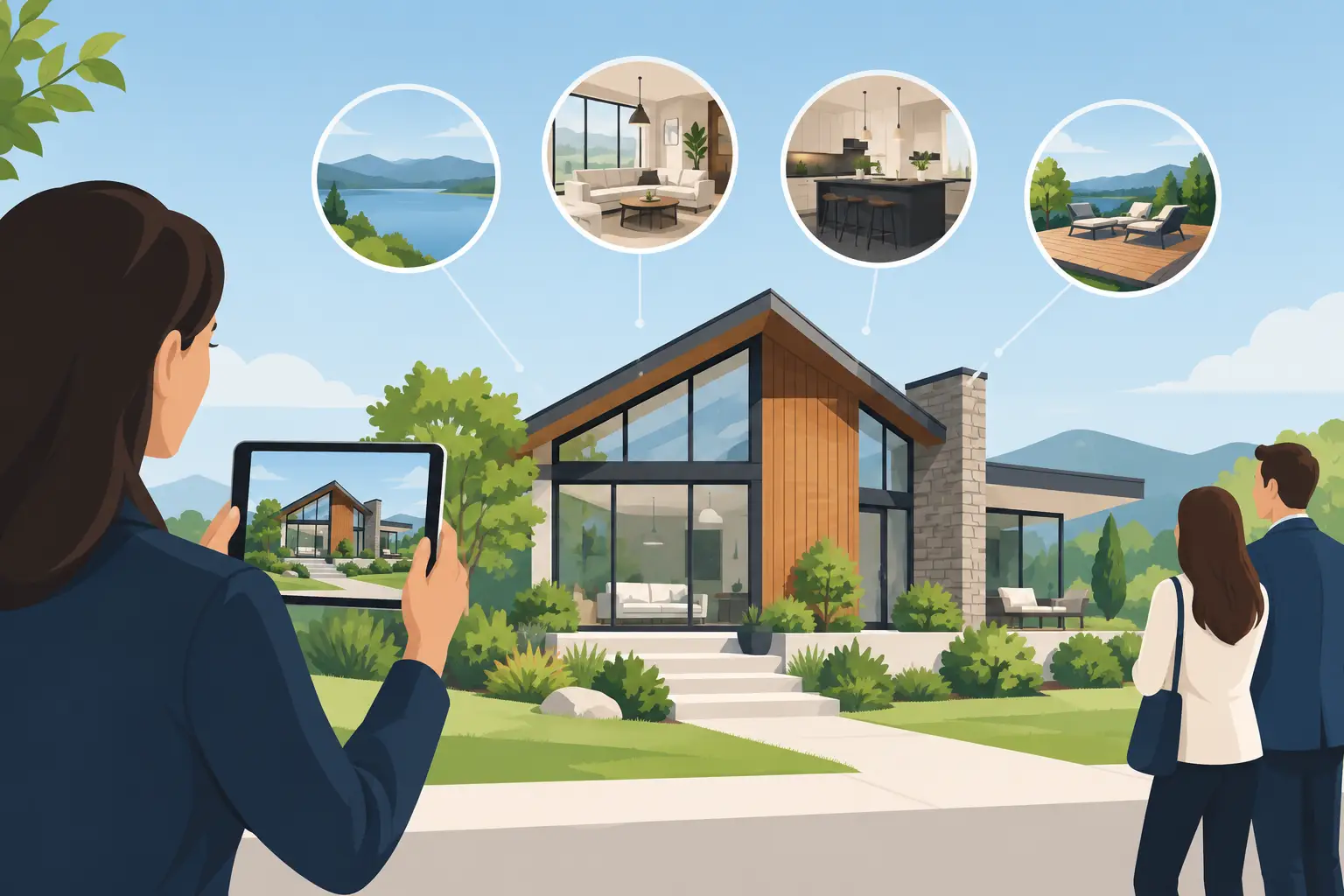
A unique home deserves more than a quick photo appointment. The visual campaign should be planned around the property’s strongest moments: the approach from the street, the way morning light enters the kitchen, the scale of the great room, the transition to an outdoor terrace, or the view that changes with the seasons.
Cinematic photography and video are especially effective when they reveal the experience of moving through a home. Still images establish quality and detail. Video can communicate flow, setting, and atmosphere in a way photographs alone cannot. Aerial imagery may be valuable for acreage, waterfront, estate settings, and homes where proximity to trails, parkland, or community amenities is part of the appeal.
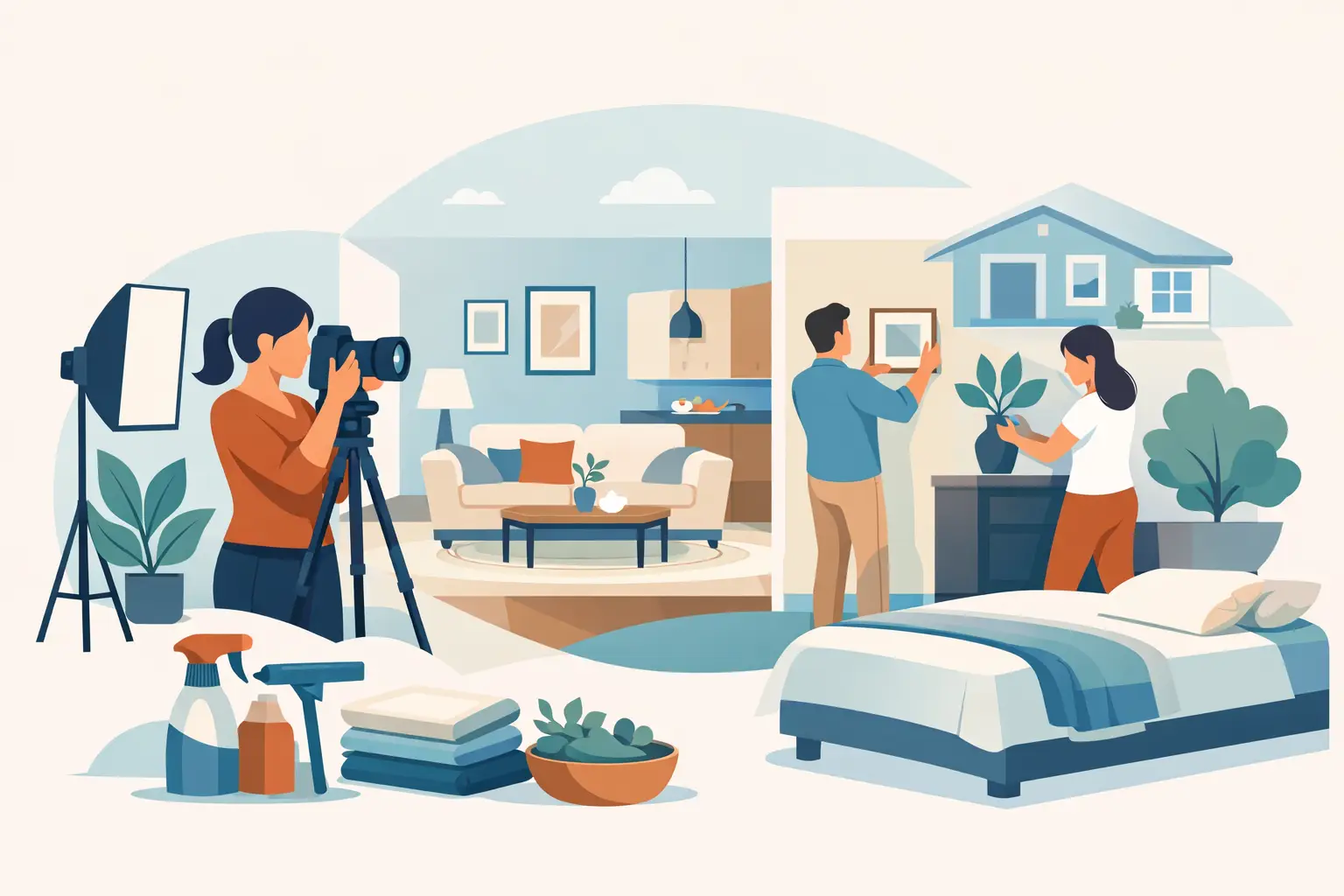
Presentation also means preparation. Before photography, sellers should address deferred maintenance, reduce visual clutter, complete small repairs, and make each room’s purpose easy to understand. Staging is not always about filling a vacant home with furniture. Often, it is about editing what is already there so buyers can see the architecture, light, and scale without distraction.
The best visual strategy is selective. Not every home needs drone footage, twilight photography, and a feature-length film. A property should receive the assets that best communicate its value. The standard should be intentionality, not excess.
Build a Campaign Around the Right Buyer
Broad exposure matters, but targeted exposure matters more. The right buyer for a distinguished property may already live in Northeast Ohio, be relocating for work, be moving up from a nearby community, or be seeking a very particular lifestyle. Marketing should speak directly to that buyer without excluding others who may connect with the home.
A custom property website gives a unique home a focused place to live online. Unlike a standard listing page, it can present the home’s visual assets, features, lifestyle benefits, and location story in a more cohesive way. Premium social media promotion can then place that story in front of likely buyers, local influencers, and agents whose clients may be searching for a similar opportunity.
The written description should also work harder than a standard feature list. It should answer the questions an interested buyer will have before scheduling a showing: What is rare about this home? How does the property live? What has been improved? What does the setting offer? Why is this location desirable?
For example, a home on several acres should not stop at “3.5 acres.” Explain whether the land provides privacy, usable recreation space, mature trees, a pool setting, a barn, or room for future possibilities. The facts remain essential, but context gives them meaning.
Create Showings That Confirm the Promise
Marketing earns the showing. The showing earns the offer.
When buyers arrive at a unique property, the in-person experience should reinforce what they saw online. The entry should be welcoming, rooms should be appropriately lit, and information about noteworthy upgrades or systems should be available without turning the visit into a sales pitch. Elevated open houses can be particularly effective when the home benefits from a curated introduction and there is a genuine opportunity to bring together qualified local buyers and real estate professionals.
Sellers should also be prepared for a different showing rhythm. Distinctive homes may attract fewer casual visitors than a broadly appealing starter home, but the visitors who do schedule appointments can be more serious. That is why feedback must be evaluated carefully. One buyer’s preference is not a market verdict. Repeated feedback about price, layout, condition, or location may signal a needed adjustment.
Use Negotiation to Protect the Home’s Value
A compelling campaign should create options, and options strengthen negotiation. When buyers understand why a property is different, they are less likely to treat it as a commodity and more likely to compete based on the full value of the opportunity.
Still, the highest offer is not automatically the best offer. Financing strength, appraisal risk, inspection terms, timing, contingencies, and the buyer’s ability to close all deserve close attention. This is particularly relevant for homes with limited comparable sales, where appraisal support can require careful preparation and a clear presentation of the property’s upgrades and distinctions.
An assertive but measured negotiation strategy protects the seller without losing sight of the buyer’s concerns. The best outcomes often come from knowing where to hold firm, where to provide documentation, and where a reasonable solution can keep a strong transaction moving forward.
For sellers throughout Medina, Cuyahoga, Summit, and Lorain counties, the core principle remains the same: a unique home should be treated as a distinct brand, not placed into a generic marketing template. The Ashton Advantage℠ is built around that idea, combining strategic pricing, premium presentation, focused promotion, and firm negotiation to give exceptional homes the attention they deserve.
A special property does not need louder marketing. It needs clearer marketing: a message that captures what cannot be duplicated, reaches buyers who value it, and gives them a reason to make a confident move.