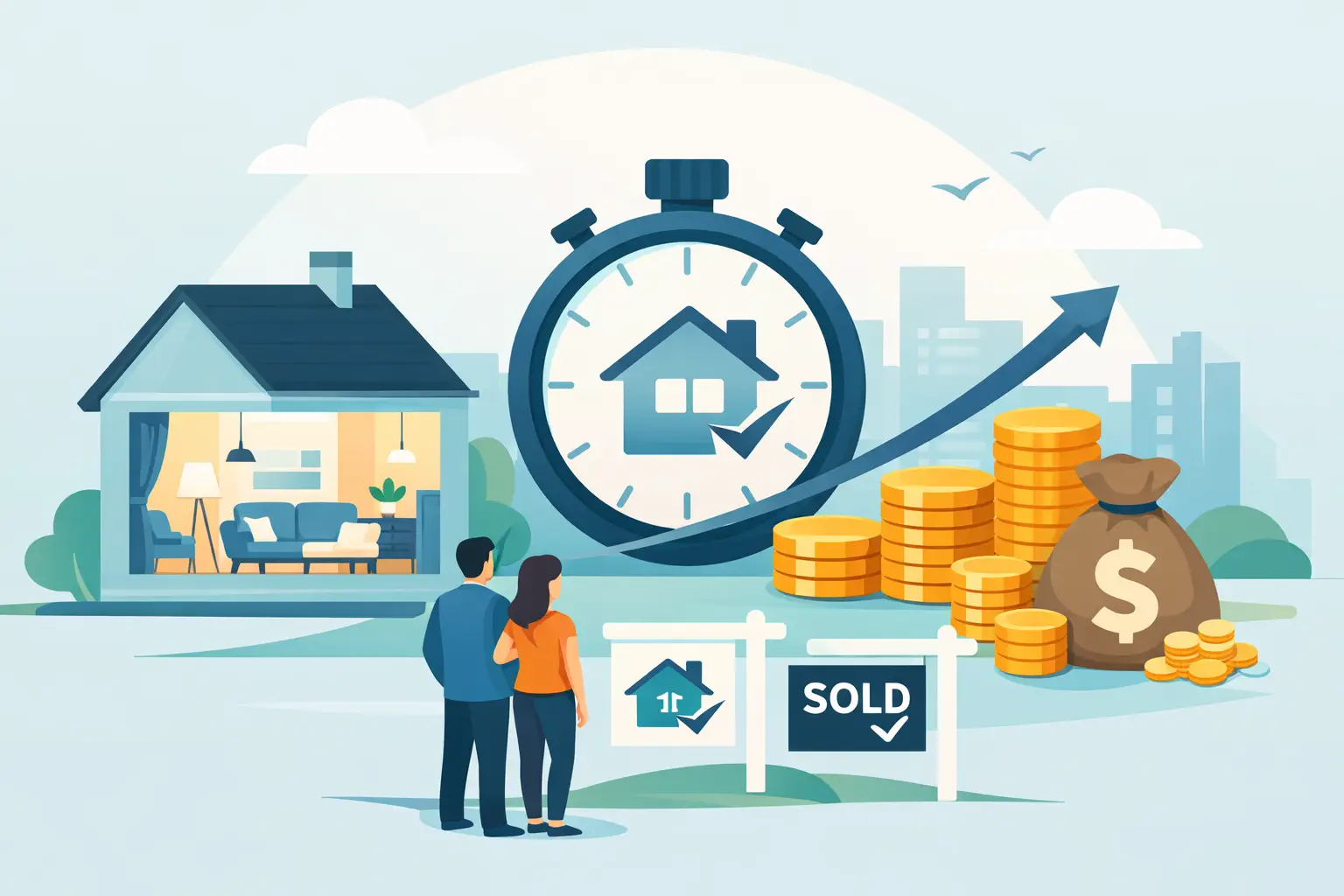
A home can feel perfect during a Saturday showing: the kitchen is bright, the bedrooms fit your plans, and you can already picture your first holiday there. Then the offer, financing, inspection, appraisal, and closing process begins. That is where the top mistakes first-time buyers make can turn an exciting milestone into an expensive source of stress.
Buying in Medina County or across Cuyahoga, Summit, and Lorain counties requires more than finding a home you love. It calls for a clear financial plan, a thoughtful strategy, and an advisor who can help you separate a strong opportunity from a costly compromise. The goal is not simply to win a house. It is to buy the right home on terms that protect your future.
1. Shopping Before You Know Your True Budget
A mortgage pre-approval is an essential first step, but the number on that letter should not automatically become your shopping ceiling. Lenders calculate what you may qualify to borrow. Your personal budget must account for what you can comfortably own while still maintaining savings, enjoying your life, and handling the inevitable surprises that come with homeownership.
Beyond the monthly principal and interest payment, consider property taxes, homeowners insurance, utility costs, HOA dues, maintenance, and furnishings. A larger home in a desirable community may be a wonderful long-term fit, but it can also bring higher heating costs, more exterior upkeep, and more expensive repairs.
The strongest buyers establish two figures before they begin: their maximum approval amount and their comfortable monthly payment. Those numbers are not always the same. Staying below the maximum can give you more flexibility if the home needs updates, the appraisal creates a gap, or a repair arises shortly after closing.
2. Treating Pre-Qualification Like Pre-Approval
A casual conversation with a lender or an online estimate is not the same as a fully reviewed pre-approval. Sellers want evidence that a buyer has the financial capacity to close, especially when multiple offers are on the table.
A meaningful pre-approval generally involves a lender reviewing income, assets, credit, and debt. It also gives you an opportunity to understand loan options, down payment requirements, closing costs, and the effect of different interest-rate scenarios. In competitive Northeast Ohio neighborhoods, a well-supported offer can make a seller more confident in choosing you over a buyer whose financing appears uncertain.
Before writing an offer, avoid making major financial changes. Do not open new credit accounts, finance a car, move substantial funds without documentation, or change jobs without discussing it with your lender. Even positive changes can require additional underwriting review.
3. Focusing Only on the Down Payment
Many first-time buyers save diligently for a down payment, then feel caught off guard by everything else due at closing. Closing costs can include lender fees, title charges, prepaid taxes, insurance, and escrow deposits. The amount varies based on the purchase price, loan type, timing, and negotiated terms.
You should also preserve a reserve after closing. Even a beautifully maintained home can need a water heater, appliance, roof repair, or unexpected service call. A buyer who uses every available dollar to close may own the home but have very little room to manage normal life inside it.
Depending on the situation, seller concessions may help offset certain closing costs. They are not guaranteed, and their usefulness depends on the offer structure and local market conditions. Still, they can be a smart negotiating tool when used strategically rather than requested automatically.
4. Falling in Love Before Evaluating the Property
Emotion is part of buying a home. It should not be the only factor driving the decision. A dramatic great room, renovated primary bath, or backyard patio can create an immediate connection, but the less visible details often carry the greater financial consequences.
Look beyond the staging. Ask about the age and condition of the roof, HVAC system, windows, electrical panel, plumbing, drainage, and foundation. Pay attention to how the home is positioned on the lot, whether water moves away from the structure, and how nearby roads, commercial activity, or future development may affect daily living and resale value.
This does not mean every older system is a deal breaker. A well-cared-for home with an aging furnace may still be an excellent purchase if the price, condition, and your budget align. The mistake is assuming cosmetic appeal proves overall quality.
5. Waiving Protections Just to Win
When buyers compete for a desirable home, it can be tempting to remove every contingency and offer whatever it takes. Sometimes a clean offer is appropriate. Sometimes it creates unnecessary risk.
The inspection contingency, appraisal provisions, financing terms, and title review all exist for a reason. They help you understand what you are buying and what could affect your ability to close. A thoughtful offer does not need to be weak, but it should reflect your risk tolerance, financial position, and the specific property.
For example, a buyer with substantial reserves may be able to address a limited appraisal gap more comfortably than a buyer whose funds are tightly allocated. A home with multiple newer systems may warrant a different inspection approach than a century home with extensive deferred maintenance. Strong negotiation is not about using the same aggressive terms on every property. It is about knowing which protections matter most in that moment.
6. Misunderstanding the Home Inspection
An inspection is not a pass-or-fail test, nor is it a guarantee that nothing will ever need repair. It is a detailed assessment designed to identify material defects, safety concerns, and items that deserve attention.
First-time buyers sometimes expect the seller to repair every issue listed in the report. That can derail an otherwise sound transaction. Nearly every home, including newer construction, will have findings. The more productive approach is to distinguish between ordinary maintenance, cosmetic concerns, and meaningful problems involving structure, safety, water intrusion, major systems, or unpermitted work.
Attend the inspection if possible. Ask questions, understand the priorities, and request estimates when the findings warrant them. This is one of the best opportunities to learn how your future home works before the keys are in your hand.
7. Ignoring Resale Value Because This Is Your “Forever Home”
Most buyers do not intend to move again soon. Life, however, can change through a new job, a growing family, a divorce, retirement, or an unexpected opportunity. Even if you expect to stay for many years, resale value deserves consideration.
Location remains central. Consider school districts, access to employment centers, traffic patterns, lot characteristics, neighborhood appeal, and the home’s functional layout. A beautifully renovated property on a busy road may suit your lifestyle and still require a more cautious price analysis. Likewise, a home with limited bedroom count or an unusual floor plan may appeal to a narrower future buyer pool.
You do not need to buy a generic house to protect resale value. You simply need to understand the trade-off. The right home may have a feature that matters deeply to you, provided the purchase price reflects its market position.
8. Writing an Offer Without a Local Strategy
The list price is not always the market value, and the highest price is not always the strongest offer. Sellers evaluate certainty, timing, financing, contingencies, possession needs, and the buyer’s ability to perform. The best strategy depends on comparable sales, buyer demand, days on market, property condition, and the seller’s priorities.
A competitive offer may include a carefully structured price, meaningful earnest money, a realistic closing timeline, and terms that reduce friction for the seller without exposing you to avoidable risk. It should also be supported by local data, not adrenaline after a crowded open house.
This is where experienced representation changes the experience. At Ashton Hixenbaugh Realtor®, buyers receive calm guidance through pricing, contract terms, inspections, and negotiation so that a major decision is made with clarity rather than pressure.
9. Forgetting That Closing Is Not the Finish Line
The final walk-through is your opportunity to confirm the property is in substantially the agreed-upon condition and that negotiated repairs or included items are addressed. It is not a formality. If something has changed, raise the concern before closing whenever possible.
After closing, organize your documents, establish a maintenance calendar, and learn the location of the main water shutoff, electrical panel, and HVAC filters. Small steps taken early can protect your investment and make ownership feel far more manageable.
The best first home purchase is not necessarily the one with the most dramatic bidding story. It is the one that fits your life, your finances, and your long-term goals – with enough confidence left over to enjoy the moment you walk through the front door as its owner.