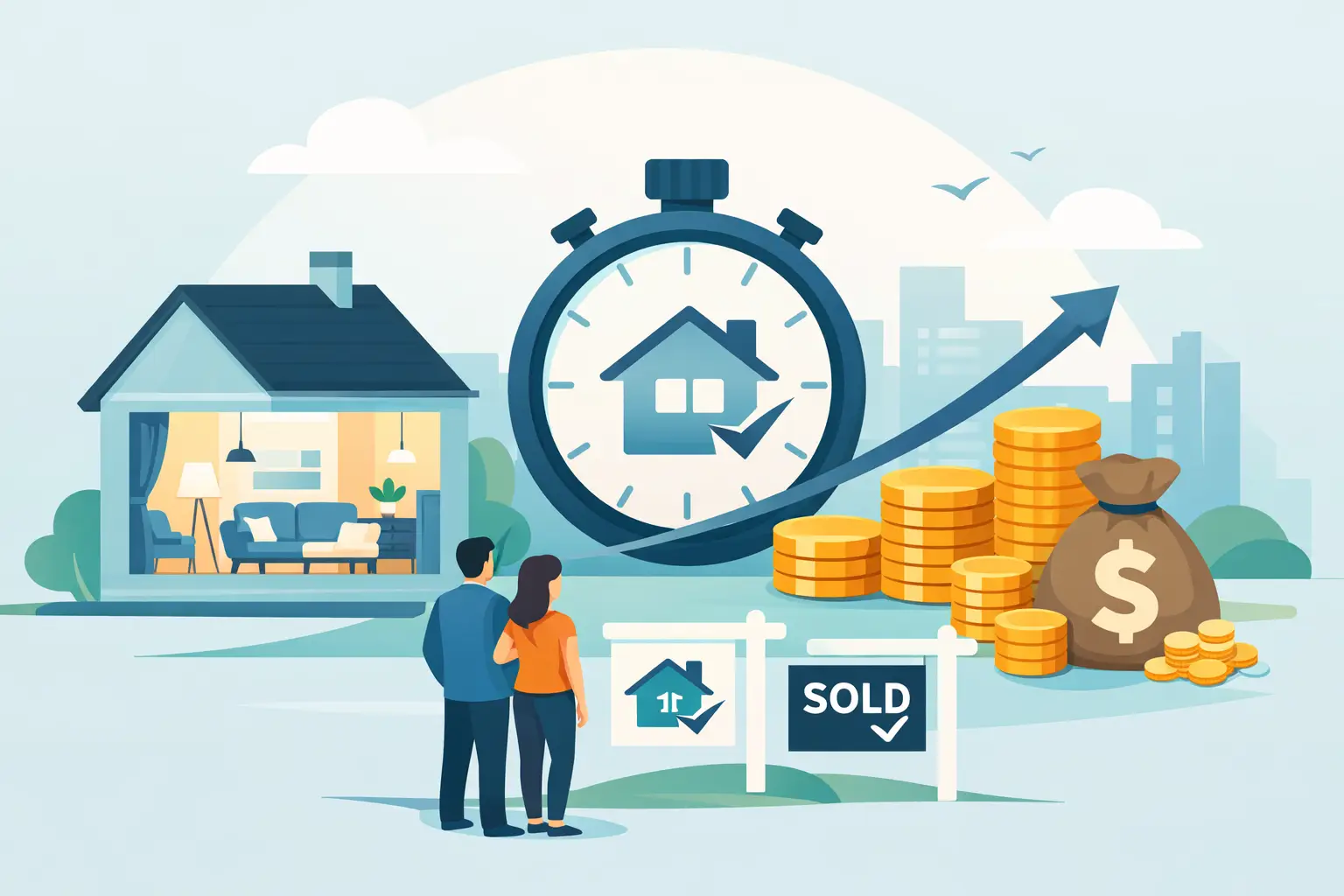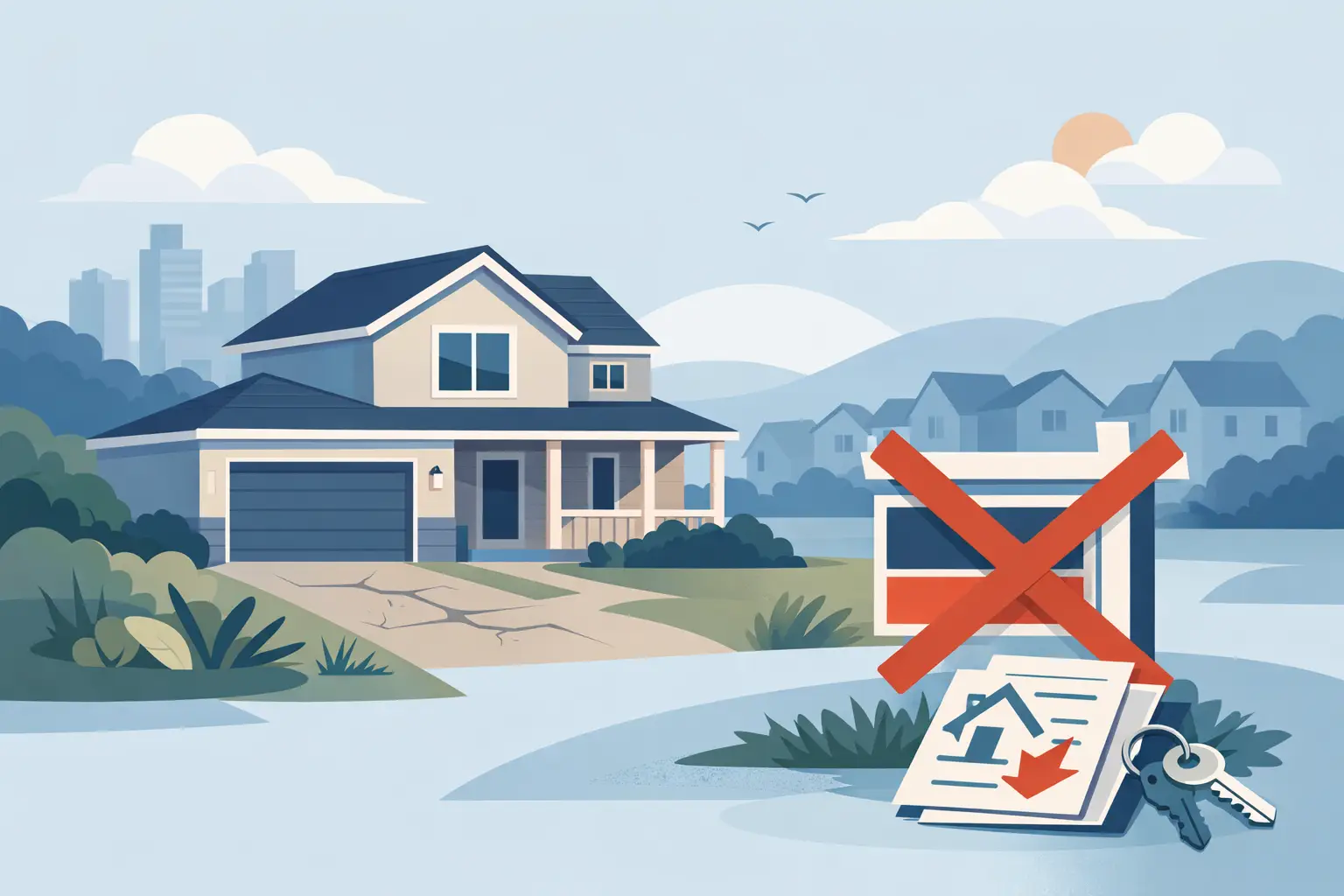
A home can be beautifully maintained, located on a desirable street, and still sit through multiple weekends without a compelling offer. That is frustrating, especially when nearby properties appear to move quickly. Understanding why homes fail to sell is not about assigning blame. It is about identifying where buyer confidence broke down and correcting the strategy before time on market begins to weaken the home’s negotiating position.
In Medina County and across Cuyahoga, Summit, and Lorain counties, buyers have more information than ever. They compare photos before scheduling a showing, track price reductions, study days on market, and weigh one home against every competing option in their price range. A successful sale requires more than placing a property in the MLS. It requires a coordinated strategy that gives the right buyers a clear reason to act.
Why Homes Fail to Sell: The Market Is Giving Feedback
When a listing receives very few showings, the market is usually reacting to exposure, presentation, price, or some combination of all three. When it receives showings but no offers, buyers may be finding a disconnect between the online promise and the in-person experience. When offers arrive but fail to come together, the issue may be terms, inspection expectations, appraisal risk, or negotiation.
The key is to read that feedback accurately. A seller should not assume that waiting longer will solve the problem. Some homes need time, particularly distinctive luxury properties with a narrower buyer pool. But time without a deliberate adjustment can turn a fresh listing into a stale one. Buyers begin asking what they are missing, even when there is nothing fundamentally wrong with the property.
The Price Does Not Match the Buyer’s Alternatives
Pricing is the most common reason a home does not sell, but it is often misunderstood. Sellers may focus on what they paid, what they need for their next move, or the highest sale in the neighborhood. Buyers focus on value. They compare condition, location, layout, updates, lot size, taxes, and the cost of improvements against the other homes available right now.
A home can be worth more than its closest neighbor and still be priced too high if the premium is not immediately evident. This is especially true for high-end homes, where a buyer may have several exceptional options across different communities. A property in Medina may compete not only with another Medina listing, but also with homes in Strongsville, Westlake, Hinckley, Hudson, or nearby areas offering similar lifestyle benefits.
The right list price is not a guess or a concession. It is a positioning decision. Price too high, and the property can miss the first wave of serious buyers, who are often the most motivated and best informed. Price too low without a plan, and a seller may leave value on the table. The goal is to create enough perceived value that qualified buyers want to see the home and feel urgency once they do.
Presentation Must Support the Price
A buyer’s first showing now happens on a phone screen. If the photography is dark, the rooms feel cluttered, or the property lacks a clear visual story, many buyers will never schedule an appointment. This is not superficial. Buyers use online presentation to decide whether a home is worth their time, especially when they are balancing work, family, and a competitive search.
Professional photography, cinematic video, thoughtful staging, and a custom property website do more than make a listing look polished. They help buyers understand the home’s scale, flow, features, and lifestyle. For an exceptional home, the marketing should make the property feel distinct rather than interchangeable.
Presentation also matters at the front door. Deferred maintenance, strong odors, crowded rooms, aging fixtures, or an exterior that feels neglected can create doubt before buyers have seen the home’s best features. Not every seller needs a full renovation. In fact, major projects do not always return their full cost. But targeted preparation often has an outsized impact: paint touch-ups, landscaping, lighting, decluttering, carpet cleaning, and addressing obvious repairs can make a property feel cared for and move-in ready.
The trade-off depends on the home and the price point. A historic property may benefit from retaining character rather than being over-modernized. A luxury home with premium finishes should not be marketed with ordinary visuals. The preparation plan should match the likely buyer, not follow a one-size-fits-all checklist.
Limited Marketing Produces Limited Demand
A listing can be technically available and still be underexposed. Uploading photos, adding a short description, and waiting for syndication may generate some activity, but it rarely creates the kind of buyer demand that strengthens a seller’s leverage.
Effective marketing begins with a clear story. Is the home ideal for entertaining? Does it offer a private outdoor retreat, multigenerational flexibility, a first-floor owner’s suite, exceptional school access, or a commute-friendly location? Buyers remember a property when its strongest advantages are presented with intention.
For premium listings, the audience often extends beyond buyers casually browsing a local portal. Strategic social-media promotion, direct outreach, elevated open houses, agent-to-agent communication, and a refined digital presentation can bring the home in front of buyers who may not have discovered it otherwise. The objective is not attention for attention’s sake. It is qualified attention from people with the means, motivation, and fit to make an offer.
This is where The Ashton Advantage℠ is designed to make a difference. Treating each listing as its own brand allows the marketing, pricing strategy, and buyer experience to work together rather than operate as separate tasks.
Access and Showing Experience Can Quietly Cost a Sale
Even a well-priced, well-marketed home can struggle if it is difficult to show. Restrictive showing windows, delayed responses to appointment requests, or a home that is not consistently ready can reduce opportunities with serious buyers. A family’s schedule matters, and sellers should not feel that they must surrender all privacy. Still, flexibility during the critical first days and weeks can directly affect the outcome.
Once buyers arrive, they need space to experience the home. Sellers remaining nearby, televisions playing, pets underfoot, or overly personal conversations during a showing can prevent buyers from picturing themselves living there. The best showing experience is clean, comfortable, bright, and easy to navigate.
Small details influence emotional decisions. A warm entry, open blinds, comfortable temperature, and a clear sense of how each room can be used help buyers connect. They are not substitutes for proper pricing, but they reinforce the confidence that leads to a second showing or an offer.
Inspection, Appraisal, and Terms Matter as Much as the Offer Price
Sometimes a home fails to sell because the seller focuses only on the headline number. An offer with a high price but weak financing, broad contingencies, an unrealistic closing timeline, or excessive repair expectations may not be the strongest offer. Conversely, a slightly lower offer with reliable financing and favorable terms can provide more certainty.
Inspection issues can also derail a transaction when sellers are surprised by conditions that were visible long before the listing launched. Roof age, mechanical systems, drainage, electrical concerns, and septic or well matters deserve attention early. Pre-listing awareness gives a seller choices. They may decide to repair an issue, disclose it clearly, obtain estimates, or price accordingly. Discovering it after a buyer is under contract usually creates less favorable negotiating conditions.
Appraisal deserves similar planning. In areas with limited comparable sales, unique architecture, acreage, extensive upgrades, or luxury amenities, the value story must be supported carefully. A strong negotiation strategy considers not only what a buyer will pay, but whether the transaction can survive financing and appraisal review.
When to Adjust the Strategy
The right adjustment depends on the evidence. If the listing has little traffic, revisit price, photos, positioning, and marketing reach. If there are many showings but no offers, gather candid feedback and compare the home honestly against its competition. If offers are falling apart, examine the terms, disclosures, inspection preparation, and negotiation process.
A price reduction can be the right move, but it should be purposeful. Small, repeated reductions can signal uncertainty without reaching a new pool of buyers. A well-considered repositioning, paired with refreshed marketing and clear communication, can create a stronger reset.
Selling a home is personal, but the strategy should remain disciplined. The market does not reward a property simply because it deserves to sell. It responds when price, presentation, exposure, access, and terms align. With calm guidance and a clear plan, sellers can turn difficult feedback into a more compelling opportunity for the next buyer who walks through the door.